
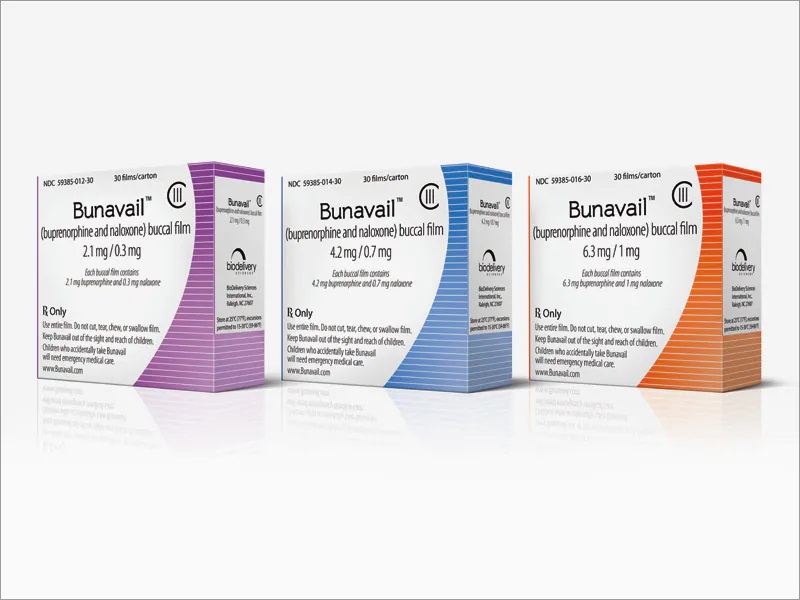
Bunavail. is a prescription used to treat opioid dependence. It is classified as a partial opioid agonist, which means it binds to the same receptors in the brain as opioids, but produces a weaker effect. for sale This can help reduce cravings and withdrawal symptoms in individuals who are trying to quit or reduce their use of opioids .
Mechanism of Action:
contains two active ingredients: buprenorphine and naloxone. Buprenorphine is a partial opioid agonist that binds to the same receptors as opioids, but produces a weaker effect. This can help reduce cravings and withdrawal symptoms. Naloxone is an opioid antagonist that blocks the effects of opioids. When taken as directed, naloxone is not absorbed into the bloodstream and has no effect. However, if Bunavail is crushed or injected, the naloxone can counteract the effects of the buprenorphine and cause withdrawal symptoms.
Contraindications:
Bunavail is not suitable for everyone. It should not be used by individuals who are allergic to buprenorphine or naloxone, or any of its components. It should also be avoided in patients who are experiencing respiratory depression, as buprenorphine can further depress breathing.
Bunavail should be used with caution in patients who have a history of liver or kidney disease, as the medication is metabolized by the liver and excreted by the kidneys.
Side Effects:
Like all medications, Bunavail can cause side effects. The most common side effects include:
- Headache
- Nausea
- Constipation
- Sweating
- Insomnia
- Irritability
- Anxiety
- Depression
In rare cases, Bunavail can cause more serious side effects, such as:
- Respiratory depression
- Seizures
- Allergic reactions, including anaphylaxis
Drug Interactions:
Bunavail can interact with other medications, including:
- Benzodiazepines and other sedatives, which can increase the risk of respiratory depression and other side effects.
- Antipsychotic medications, which can decrease the effectiveness of Bunavail.
- Antidepressants, which can increase the risk of serotonin syndrome.
It is important to inform your healthcare provider of all medications you are taking before starting Bunavail.
Method of Usage:
Bunavail is a buccal film that is placed inside the cheek and left to dissolve. The medication should not be chewed or swallowed. The recommended starting dose is one 4.2 mg/0.7 mg film per day. The dose can be adjusted based on individual response.
Bunavail should be taken exactly as prescribed, and never taken in larger doses or for longer than prescribed.
Additional Information:
Bunavail has the potential for abuse and addiction, particularly in individuals with a history of substance abuse or addiction. It is classified as a Schedule III controlled substance by the United States Drug Enforcement Administration (DEA).
Bunavail should not be abruptly discontinued, as this can lead to withdrawal symptoms. It is important to gradually taper off the medication under the guidance of a healthcare provider.
Conclusion:
In conclusion, Bunavail is a partial opioid agonist used to treat opioid dependence. It contains buprenorphine and naloxone, which work together to reduce cravings and withdrawal symptoms. Bunavail has potential side effects, drug interactions, and contraindications, and should be used with caution in patients with certain medical conditions or who are taking certain medications. It should be taken exactly as prescribed, and individuals should be monitored for signs of abuse or addiction.
Reviews
There are no reviews yet.